
Spaceblox
GeneralOct 7, 2026
Designing a calm puzzle game
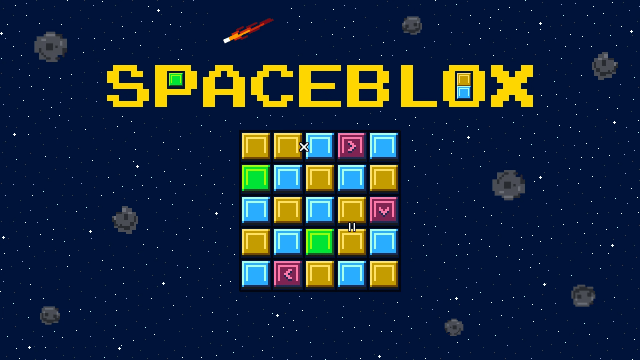
When I describe Spaceblox, the word I use most is calm. That is not just about the soft pixel-space art. It shaped a lot of concrete design decisions.
Comments
For mobile game developers
From the first playable build to launch day, and every update after.
Free during early access · Reviewed by a person · No SDK needed
Put an early build in front of real players and see if it's fun.
01 · Listing
A game page players and search engines can find, reviewed by a person before it goes live.
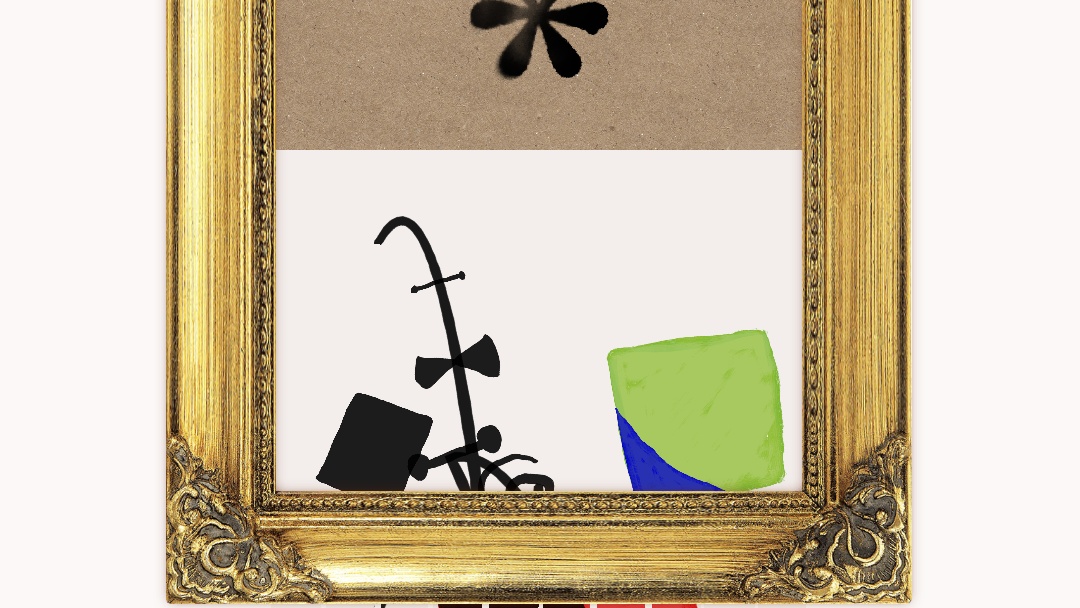

SONG OF BLOOM
Song of Bloom is an intense tale about everything, packed into a short, handcrafted experience.
Status
Released
Launch
TBA
Genre
Puzzle
Visuals
2D Hand-Drawn
Platforms
iOS +1
Price
Free
Players
Single
Rating
13+
Media assets
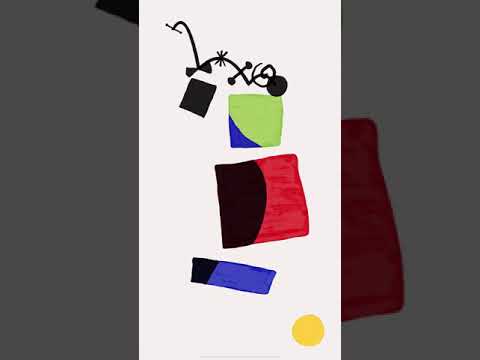 Play trailer
Game description
Song of Bloom is an intense tale about everything, packed into a short, handcrafted experience.
Playfully explore a story, told in rapidly changing art styles, find out how to control it, and uncover what happened.
Tags
AI disclosure
No AI02 · Builds
Upload a web export and it becomes a demo anyone can play in the feed, no install.
your-game-web.zip
Web export · up to 50 MB
Demo length
Timers are sped up here.
03 · Testing
No recruiting, no TestFlight invites. Your build goes into the play feed, and real players pick it up.
Upload a build
At any stage of development, portrait or landscape.
Real players play it
It shows up in the play feed, with a boost for its first three weeks.
See what happened
Watch replays of real sessions, and see retention, session length and crashes.
04 · Discovery
Your game shows up across PixelPicked, not just on one page.
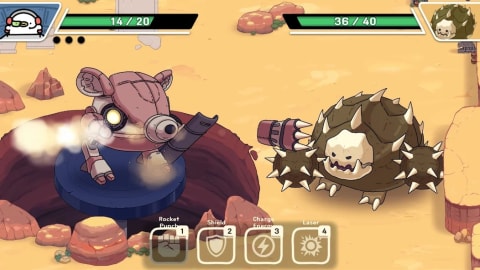

Ogu and the Secret Forest
@pixelpicked
A personalized scroll-and-play feed. New games get a boost for their first three weeks.
05 · Analytics
A console for every game. No SDK, no setup.

PixelPicked
Studio console · Session replays
The first 10 seconds of a real session, with every tap shown.
06 · Community
Players who like your game follow along, before release and long after.
Spaceblox
When I describe Spaceblox, the word I use most is calm. That is not just about the soft pixel-space art. It shaped a lot of concrete design decisions.
07 · Launch campaigns
A week-long campaign alongside other games, voted on by players. For your release, and every big update or event after.
Pick a release, update or event, add a tagline, and we review it.

100numbers: pattern game
New launch campaign
Campaign type
Tagline
Launch week
Real launch week and final votes. Midweek numbers are illustrative.
09 · More
Challenges & leaderboards
Daily and friend challenges with leaderboards, on supported games.
Badges & verification
Embed a badge on your site to verify the game and earn visibility.
Embeddable rank badges
Show your launch rank or follower count on your site.
Tracked store links
Every store click is tagged, so you see PixelPicked in your store stats.
Studio page
One page for all your games, with logo, banner and trailer.
Free dev tools
Sprite slicer, sprite sheet maker, build doctor and loading-time checker.
Game events SDK
Optional script to report scores and levels for challenges.
Share anywhere
Share links for your game, studio and devlogs.
Nothing during early access. Long-term pricing is still being worked out.
Take creative risks and validate early at  PixelPicked.