
SONARIUM — Deep-Sea Sonar Voyage
Media Assets
Game Description
On your first day aboard, the captain hands you two things: a sonar rig older than you are, and a handbook left behind by the last operator. He's gone ashore. From now on, you're the one who listens to the sea. The front half of the handbook teaches you to read echoes; the back half is a Field Guide — a whole book of printed grids, not one of them filled in yet.
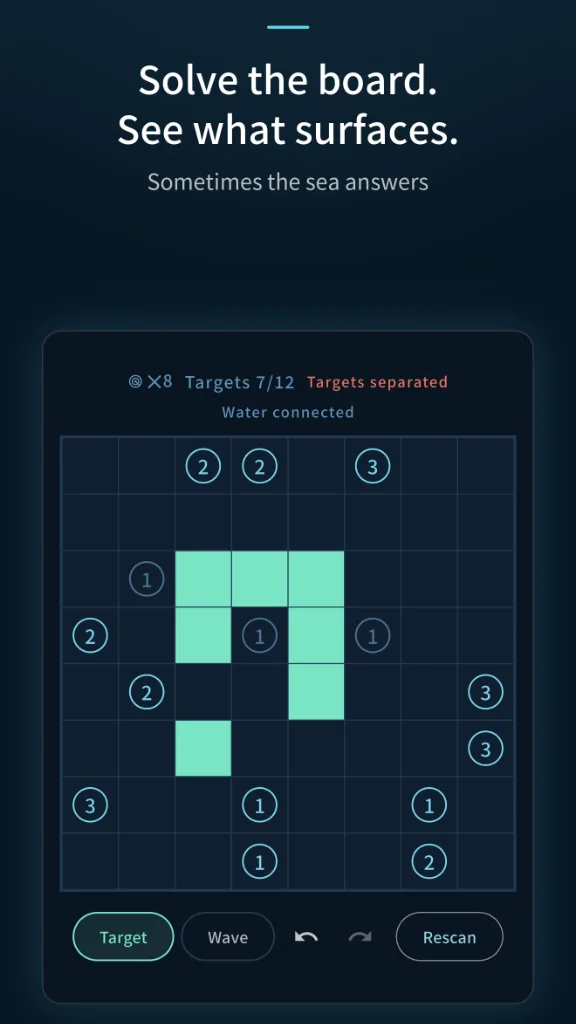
An echo knows the distance. It doesn't know the shape. Every number tells you how many steps away the nearest target is: up, down, left, or right. The distance is given. The shape is your job — traced out of the dark, one cell at a time. Halfway through you'll catch yourself guessing: a fin? a hull? Guess all you like — there is only one answer, and logic gets you all the way there.
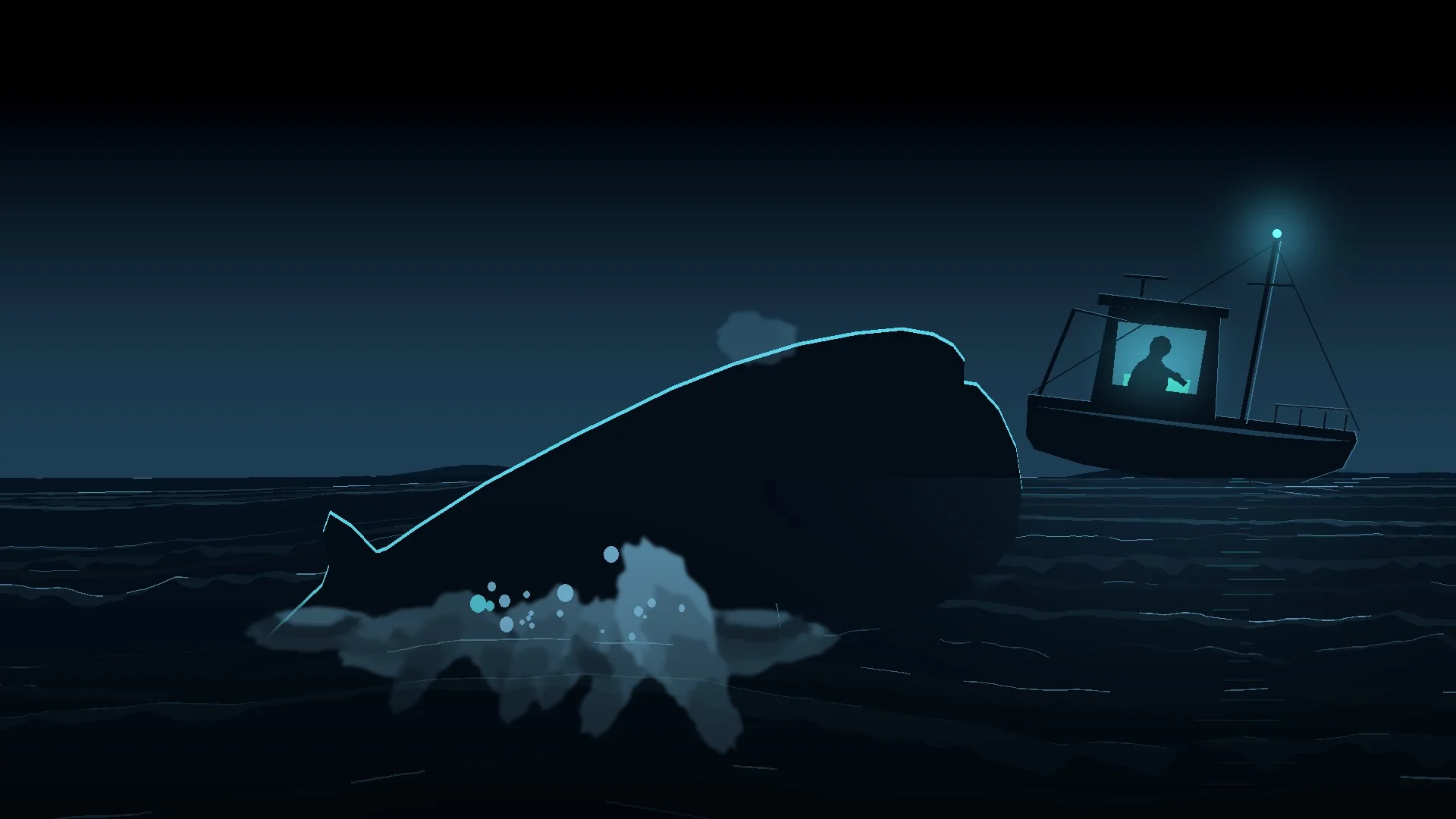
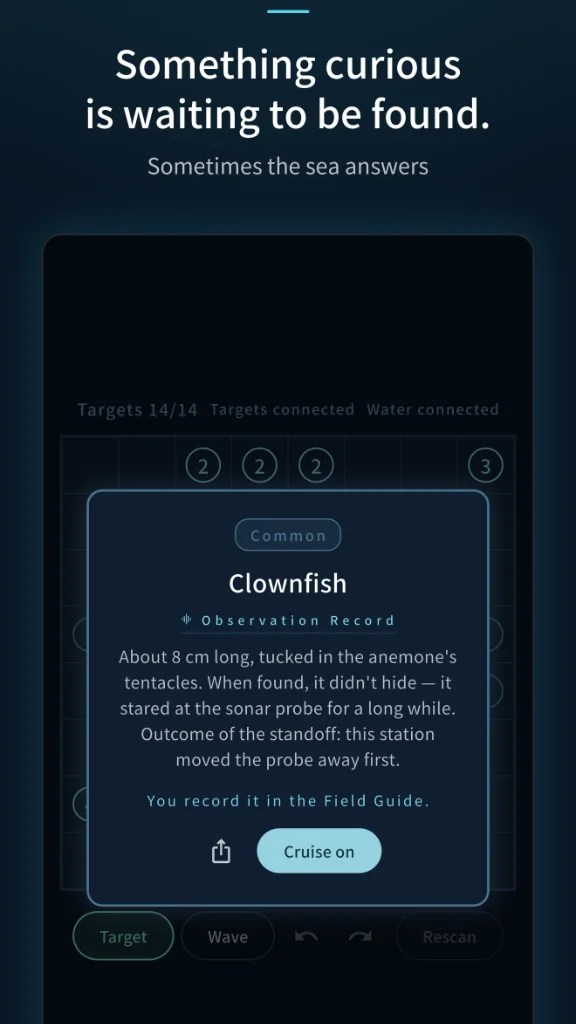
The moment the shape closes, the lights come on. The last cell falls into place and the whole board lights up. Under those numbers there was a whale the entire time — or a shipwreck, or something you don't have a name for. It surfaces, goes into your Field Guide, and comes with a line from the operator's log.
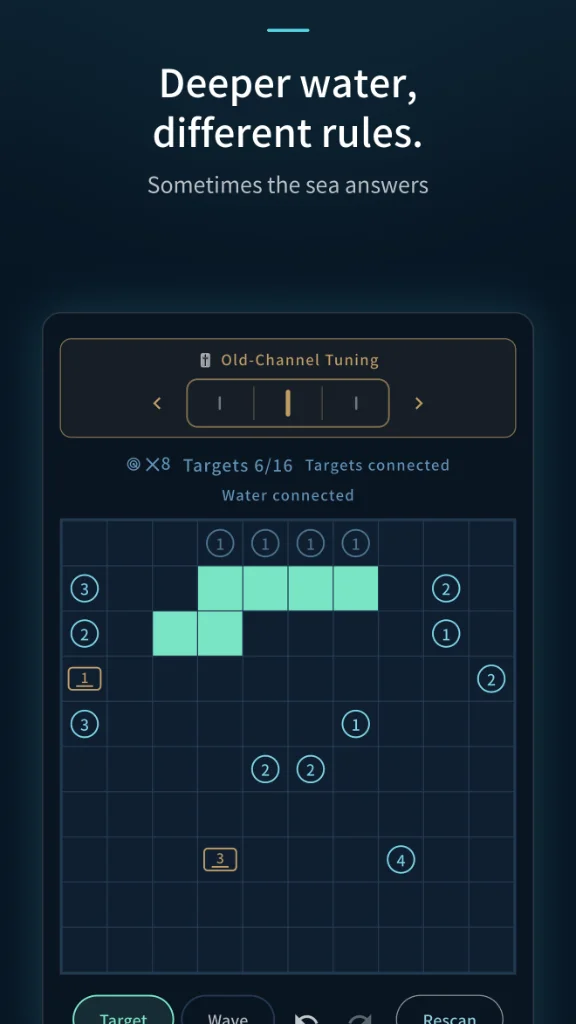
Deeper water, different rules. The sea changes, and the sonar work changes with it — thinner echoes, wider boards. In the later seas, the readings themselves start to lie. One of them is lying to you; catch it first, and the rest will talk.
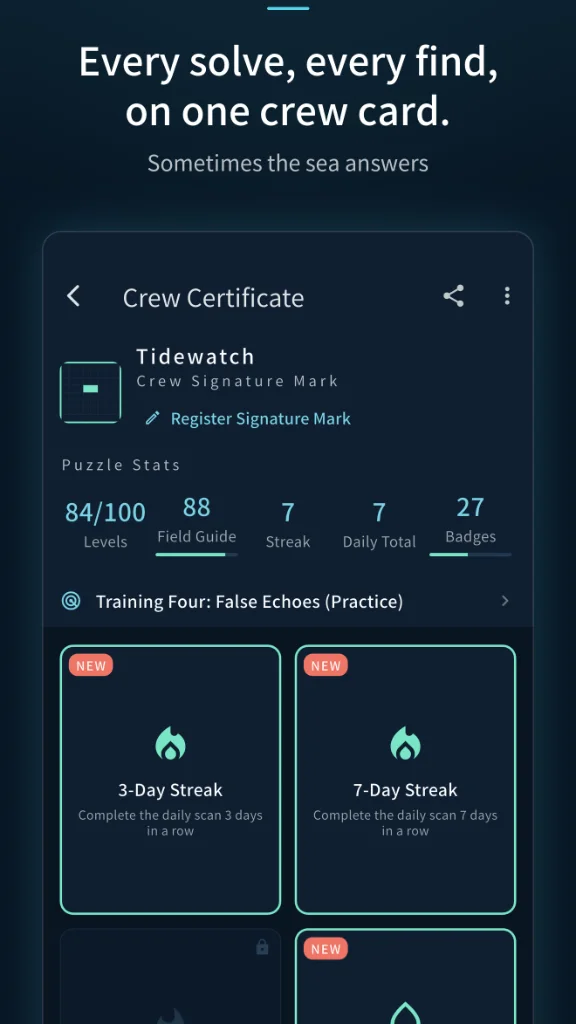
One sea, every day. One puzzle a day, and every operator in the world is working the same board. Your streak lives on your Crew Certificate, and you can share your result without spoiling a single cell. On special scan days, the Daily Scan becomes a patrol.
Tagsoptional
Socialsoptional
AI Disclosure*
Discussion
Badges
Media Assets
Game Description
On your first day aboard, the captain hands you two things: a sonar rig older than you are, and a handbook left behind by the last operator. He's gone ashore. From now on, you're the one who listens to the sea. The front half of the handbook teaches you to read echoes; the back half is a Field Guide — a whole book of printed grids, not one of them filled in yet.
An echo knows the distance. It doesn't know the shape. Every number tells you how many steps away the nearest target is: up, down, left, or right. The distance is given. The shape is your job — traced out of the dark, one cell at a time. Halfway through you'll catch yourself guessing: a fin? a hull? Guess all you like — there is only one answer, and logic gets you all the way there.
The moment the shape closes, the lights come on. The last cell falls into place and the whole board lights up. Under those numbers there was a whale the entire time — or a shipwreck, or something you don't have a name for. It surfaces, goes into your Field Guide, and comes with a line from the operator's log.
Deeper water, different rules. The sea changes, and the sonar work changes with it — thinner echoes, wider boards. In the later seas, the readings themselves start to lie. One of them is lying to you; catch it first, and the rest will talk.
One sea, every day. One puzzle a day, and every operator in the world is working the same board. Your streak lives on your Crew Certificate, and you can share your result without spoiling a single cell. On special scan days, the Daily Scan becomes a patrol.